
Abstract
The growing participation of churches from the Global South in missionary engagement with North America and Europe has created new opportunities and challenges for contemporary missiology. Commonly described as Reverse Mission, this movement reflects a significant development in the geography of global Christianity and calls for renewed approaches to missionary preparation. Missionaries serving across cultural boundaries must develop competencies that extend beyond theological knowledge and personal spiritual commitment. They need cultural intelligence, language proficiency, relational maturity, intergenerational leadership skills, and an understanding of migration as a potential context for Christian witness. This article examines five essential dimensions of cross-cultural training within the framework of Reverse Mission: cultural intelligence and the posture of a learner; language mastery and strategic bilingualism; biblical hospitality and relationship building; mobilization of the second generation and Third Culture Kids; and a missional diaspora mindset. Drawing on biblical foundations and contributions from intercultural studies and missiology, the article proposes an integrated framework for preparing missionaries to serve effectively in multicultural contexts. It argues that successful Reverse Mission requires a posture of humility, contextual understanding, partnership with local communities, and commitment to the development of multicultural churches. The article concludes that cross-cultural training should be understood as an ongoing process of spiritual formation, cultural learning, and missionary practice.
Keywords: Reverse Mission; Cross-Cultural Training; Missiology; Cultural Intelligence; Diaspora Mission; Bilingualism; Multicultural Church.
1. Introduction
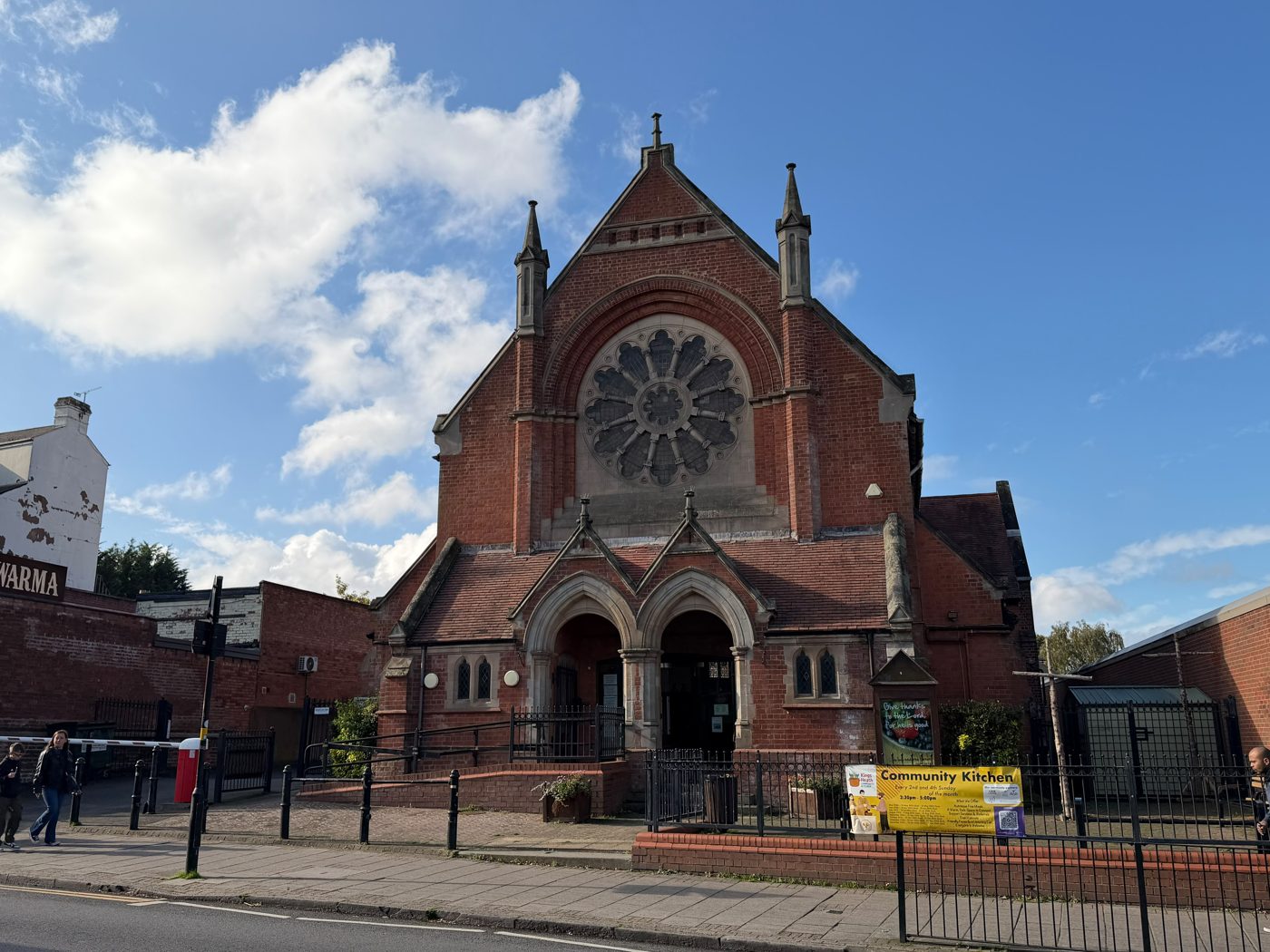
The changing geography of global Christianity has created new opportunities for missionary engagement across national, cultural, and linguistic boundaries. For centuries, missionary activity was commonly associated with the movement of Christians from Europe and North America toward Africa, Asia, and Latin America. In recent decades, however, churches and missionary movements from the Global South have increasingly participated in evangelism, church planting, discipleship, and Christian leadership development in traditionally Western contexts. This development is frequently described as Reverse Mission.
Reverse Mission should not be understood merely as a reversal of the historical direction of missionary sending. It represents a broader missiological recognition that the mission of God is entrusted to the whole Church and extends to every people and nation. Missionary participation is no longer adequately described through a single geographical center or a one-directional model of sending. Rather, the contemporary Church participates in a global missionary movement in which Christians from different regions contribute to the proclamation of the Gospel across cultural boundaries (Bosch, 1991).
In Introdução à Missão Reversa: O Círculo Completo do Evangelho, I argue that the changing global context requires a renewed missionary posture. The Gospel has not changed, but the world in which Christians carry the Gospel has changed. This reality requires missionaries to develop new competencies without compromising the biblical message. The challenge is not simply to relocate existing ministry models but to understand the people, institutions, histories, and cultural environments in which missionary service takes place.
Cross-cultural training is therefore essential to the effectiveness and sustainability of Reverse Mission. Missionaries arriving in North America and Europe may possess theological education, pastoral experience, and a sincere commitment to evangelism, yet still encounter significant barriers related to language, cultural expectations, social relationships, leadership structures, and religious worldviews. These challenges demonstrate that missionary preparation must include more than theological instruction and practical ministry experience.
This article proposes five interconnected dimensions of cross-cultural training for Reverse Mission: cultural intelligence, strategic bilingualism, biblical hospitality, next-generation mobilization, and a missional diaspora mindset. Together, these dimensions offer a framework for preparing missionaries to serve faithfully and effectively in multicultural societies.
2. Cultural Intelligence and the Posture of a Learner
One of the most important competencies for cross-cultural missionaries is the ability to understand and engage cultural differences with humility. Missionaries frequently enter a new context carrying assumptions formed by their own cultural backgrounds. These assumptions influence how they understand leadership, authority, communication, relationships, time, family, community, and religious practice. When these assumptions remain unexamined, missionaries may interpret cultural differences as spiritual problems or organizational resistance.
Cultural intelligence involves the ability to recognize, interpret, and respond appropriately to cultural differences. Livermore (2015) presents cultural intelligence as a significant capacity for effective engagement in multicultural environments. Within missionary practice, this competency requires more than acquiring information about another culture. It involves developing an attitude of curiosity, listening, reflection, and willingness to adapt.
The biblical foundation for this posture can be found in 1 Corinthians 9:19–23, where the apostle Paul describes his willingness to adapt his approach to different groups in order to communicate the Gospel effectively. Paul’s flexibility did not represent a compromise of biblical truth. Instead, it demonstrated his understanding that the communication of the Gospel requires sensitivity to the people receiving the message. The missionary must distinguish between the unchanging truth of Scripture and cultural forms that can be adapted to serve the mission.
Philippians 2:3–5 further establishes humility as a fundamental Christian attitude. The example of Christ challenges missionaries to reject cultural superiority and self-centered leadership. A missionary should not arrive as a cultural conqueror who assumes that the practices of the sending church are universally appropriate. Rather, the missionary should become a learner who recognizes the value, experience, and contribution of local believers.
Hiebert (1985) emphasizes the importance of anthropological understanding in missionary preparation. Cultural patterns influence how people interpret their experiences and respond to religious communication. Without adequate cultural understanding, missionaries may unintentionally create barriers, misunderstand local expectations, or establish forms of dependency.
For Reverse Mission, cultural intelligence should therefore include intentional listening, contextual observation, partnership with local churches, and the ability to evaluate ministry practices in light of both Scripture and the local environment. The missionary’s first responsibility is not to reproduce a familiar ministry model but to understand how the Gospel can be faithfully embodied and communicated in a different cultural setting.
3. Language Mastery and Strategic Bilingualism
Language is one of the most significant dimensions of cross-cultural missionary engagement. It is not merely a technical instrument for transmitting information; it is a means of establishing relationships, expressing identity, understanding cultural meaning, and participating in community life. Missionaries serving in North America and Europe must recognize that language proficiency is essential for long-term ministry beyond their immediate immigrant communities.
Depending exclusively on translation may allow a missionary to communicate basic ideas, but it can limit deeper participation in the surrounding society. Learning the local language enables missionaries to preach, teach, counsel, access theological resources, engage community institutions, and develop meaningful relationships with people who do not share their original language.
Acts 2:5–11 provides an important biblical perspective on the relationship between language and mission. At Pentecost, people from different nations heard the mighty works of God proclaimed in their own languages. The event reveals the inclusive scope of the Gospel and demonstrates that linguistic diversity is not an obstacle to the mission of God. Rather, the proclamation of the Gospel must be able to cross linguistic boundaries.
For immigrant congregations, strategic bilingualism also has important implications for intergenerational ministry. Children and young adults often develop their primary social and educational identities within the language of the host society, while their families preserve the language and cultural traditions of their countries of origin. When churches fail to address this linguistic reality, younger generations may gradually become disconnected from the worship, discipleship, and leadership structures of their congregations.
Strategic bilingualism does not require immigrant churches to abandon their original language or cultural heritage. Instead, it encourages congregations to use both linguistic resources intentionally. Bilingual worship, preaching, discipleship, leadership development, and community engagement can strengthen relationships between generations and expand the church’s missionary reach.
A church that develops bilingual ministry is better positioned to serve immigrant families while also engaging neighbors who do not share the congregation’s original language. In this sense, bilingualism becomes a missionary resource and a bridge between cultures.
4. Biblical Hospitality and Relationship Building
Cross-cultural missionaries must also develop a biblical understanding of hospitality and relational engagement. Cultural differences influence how people establish friendships, express trust, organize social relationships, and welcome newcomers. In some societies, relationships develop through frequent personal interaction and shared meals. In others, people may place greater emphasis on privacy, personal boundaries, and gradual relationship development.
Missionaries who misunderstand these differences may become frustrated when relationships do not develop according to their expectations. Effective cross-cultural ministry requires patience and a willingness to understand how trust is established within the local context.
The biblical teaching on hospitality provides a foundation for this relational approach. Romans 12:13 encourages believers to practice hospitality, while Hebrews 13:2 emphasizes the importance of welcoming strangers. Hospitality is not simply a social activity or a strategy for increasing church attendance. It is an expression of Christian love and an acknowledgment of the dignity of others.
The ministry of Jesus offers a particularly important example in Luke 19:1–10. His willingness to enter the home of Zacchaeus created an opportunity for personal encounter and transformation. Jesus crossed social boundaries and demonstrated that meaningful relationships can become contexts for the manifestation of God’s grace.
For Reverse Mission missionaries, hospitality should be expressed through genuine relationships rather than transactional interactions. Sharing meals, welcoming neighbors, visiting families, participating in community activities, and showing interest in people’s experiences are practical expressions of Christian mission.
This approach also requires a theological distinction: people must never be treated merely as ministry projects. The purpose of relationship building is not simply to create opportunities for institutional growth. It is to demonstrate the love of Christ through authentic engagement with people created in the image of God.
A relational missionary posture is particularly important in societies where institutional religious participation may be limited. In such contexts, trust and credibility are often developed through consistent presence, integrity, service, and personal relationships.
5. Mobilizing the Second Generation and Third Culture Kids
An important opportunity for Reverse Mission lies within immigrant families and their younger generations. Children and young adults growing up in immigrant households frequently navigate multiple cultural environments. They may speak their parents’ language at home while receiving education, developing friendships, and participating in social life primarily through the language and culture of the host society.
Some individuals in these contexts may be described as Third Culture Kids (TCKs). The concept traditionally refers to people who spend a significant portion of their developmental years outside their parents’ culture, often because of international relocation. The term should not be applied automatically to every second-generation immigrant, although there may be overlapping experiences involving multiple cultural identities and forms of belonging (Pollock & Van Reken, 2009).
These young people can become important cultural bridges between immigrant congregations and the wider society. Their language abilities and familiarity with multiple cultural environments may help churches communicate more effectively with different generations and communities.
However, churches must avoid reducing young people to the role of translators or cultural intermediaries. Their participation must include spiritual formation, theological education, mentorship, leadership opportunities, and meaningful involvement in decision-making. The goal is not simply to use their abilities but to develop their gifts and recognize their calling.
Second Timothy 2:2 provides a significant biblical model for intergenerational leadership development. Paul instructs Timothy to entrust what he has learned to faithful people who will be capable of teaching others. This principle emphasizes the responsibility of one generation to prepare the next for faithful service.
The example of Barnabas in Acts 9:26–27 also illustrates the importance of mentoring and advocacy. Barnabas uses his credibility to help Saul become accepted by the Christian community. In a similar way, experienced immigrant leaders should create opportunities for younger leaders to develop, contribute, and assume responsibility.
The long-term sustainability of Reverse Mission will depend partly on the ability of immigrant churches to develop leaders who can serve across cultural and generational boundaries. A missionary movement that neglects the next generation risks losing an essential connection with the communities it seeks to reach.
6. A Missional Diaspora Mindset
Migration is frequently interpreted through economic, political, and social categories. Individuals and families relocate in search of employment, education, security, and improved living conditions. However, migration also creates important missiological opportunities. Christians living outside their countries of origin may participate in God’s mission through their relationships, professional activities, community involvement, and Christian witness.
Acts 17:26–27 presents God as sovereign over the nations and the boundaries of human habitation, with the purpose that people might seek Him. This passage does not establish that every migration decision is a direct missionary command. Nevertheless, it encourages Christians to reflect on how their geographical movements and social circumstances may become contexts for participation in God’s purposes.
Jeremiah 29:4–7 offers another important perspective. The Israelites living in exile were instructed to establish households, cultivate their surroundings, and seek the welfare of the city where they lived. Their new environment was not to become a place of isolation. They were called to contribute to the community while remaining faithful to God.
This biblical principle has significant implications for immigrant Christians. Their missionary engagement should not be restricted to church services, religious gatherings, or activities organized by their ethnic communities. It should extend into workplaces, schools, neighborhoods, civic organizations, social services, and local institutions.
Jesus’ teaching in Matthew 5:14–16 emphasizes that His followers are the light of the world. Christian witness must become visible through actions that demonstrate the character of God’s Kingdom. Immigrant believers can contribute to their communities through professional excellence, volunteer service, compassion, justice, reconciliation, and genuine concern for their neighbors.
A missional diaspora mindset therefore encourages Christians to understand migration not only as a personal journey but also as an opportunity for Christian service. Immigrants are not merely recipients of assistance from established churches. They can also become missionaries, community leaders, and contributors to the spiritual and social well-being of their new environments.
7. From Ethnic Congregations to Multicultural Missional Communities
Immigrant churches have historically provided essential spiritual, cultural, and social support for people adjusting to life in new countries. They preserve languages, traditions, relationships, and religious practices while helping families navigate the challenges of migration. Their contribution to the global Church should be recognized and valued.
Nevertheless, a significant challenge emerges when congregations become so focused on preserving their original cultural identity that they lose their connection with the surrounding community. Churches may develop strong internal relationships while remaining inaccessible to people from other cultural backgrounds.
The goal of Reverse Mission should not be cultural assimilation. Rather, it should be the transformation of cultural heritage into a resource for missionary engagement. Immigrant congregations can preserve their identities while developing ministries that welcome and serve people from different linguistic and cultural backgrounds.
Ephesians 2:19–22 describes the Church as a household in which people who were once separated become members of one family through Christ. The Gospel creates a new community that transcends ethnic and cultural divisions without requiring the erasure of cultural identity. Revelation 7:9 provides an eschatological vision of this diversity through the image of a multitude from every nation, tribe, people, and language worshiping before God’s throne.
This vision should influence the way churches organize worship, develop leaders, conduct discipleship, and engage their communities. Multicultural ministry requires more than bringing people from different ethnic backgrounds into the same building. It requires shared leadership, mutual respect, meaningful relationships, and a common commitment to the mission of God.
The challenge for Reverse Mission congregations is to move beyond serving exclusively their own immigrant communities and become missionary communities committed to the spiritual and social well-being of their entire neighborhoods.
8. A Proposed Framework for Cross-Cultural Training in Reverse Mission
Based on the biblical and missiological principles discussed above, this article proposes an integrated framework consisting of five dimensions. The framework is intended as a foundation for missionary education, leadership development, and practical training in multicultural contexts.
1. Cultural Intelligence. Missionaries should develop the ability to understand cultural patterns, recognize their own assumptions, listen to local communities, and adapt ministry practices without compromising biblical convictions.
2. Strategic Bilingualism. Missionaries should pursue proficiency in the local language and develop bilingual ministry practices that connect immigrant congregations with younger generations and the wider community.
3. Biblical Hospitality. Missionaries should cultivate authentic relationships through welcome, shared life, service, patience, and genuine concern for people beyond the boundaries of their own cultural communities.
4. Next-Generation Mobilization. Churches should intentionally mentor and equip younger generations, including those navigating multiple cultural environments, for theological formation, leadership, and cross-cultural missionary engagement.
5. Missional Diaspora. Immigrant Christians should be encouraged to understand their presence in a new country as a potential context for Christian witness, community service, and participation in God’s mission.
These five dimensions are interconnected rather than independent. Cultural intelligence strengthens communication; language proficiency facilitates relationships; hospitality creates opportunities for trust; intergenerational leadership expands missionary capacity; and a missional diaspora perspective connects the church with its broader social environment.
The proposed framework seeks to equip immigrant Christians and cross-cultural missionaries to become bridges between cultures, contributing to the development of biblically faithful, culturally relevant, and globally committed churches.
9. Conclusion
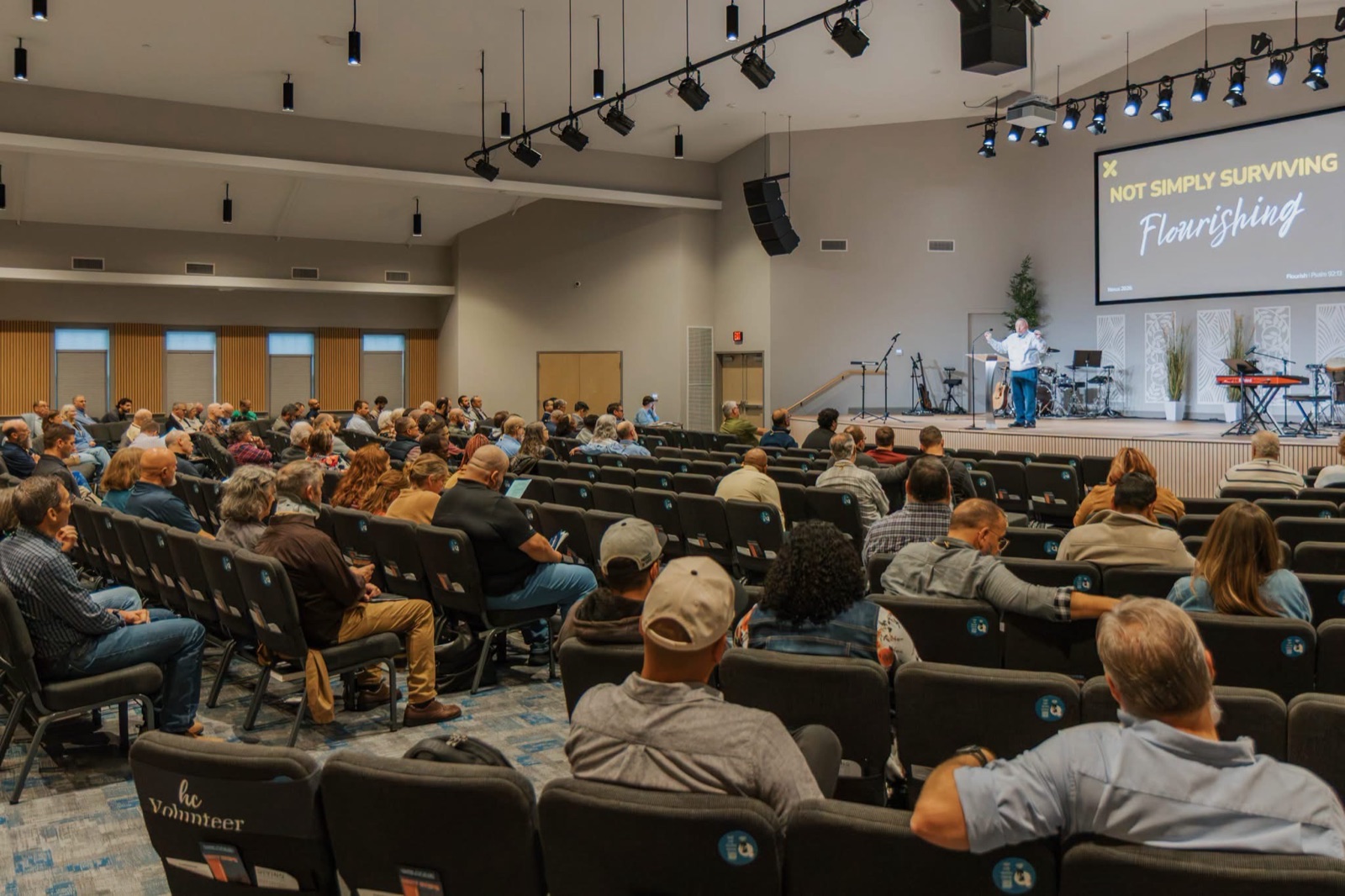
The future of Reverse Mission will depend not only on the number of missionaries sent from the Global South to North America and Europe but also on the quality of their preparation and their ability to serve across cultural boundaries. Missionaries must be equipped with biblical knowledge, cultural intelligence, language proficiency, relational maturity, and a commitment to developing local leaders.
Cross-cultural training should therefore be understood as an ongoing process of spiritual formation, cultural learning, and missionary practice. It must continue beyond the missionary’s initial preparation and include sustained listening, contextual evaluation, partnership with local churches, and a willingness to learn from the communities being served.
The five dimensions proposed in this article provide a framework for preparing missionaries to engage multicultural societies with humility and faithfulness. They also challenge immigrant congregations to recognize their potential as missionary communities rather than remaining isolated within their original cultural environments.
Ultimately, Reverse Mission is not about replacing one missionary center with another. It is about recognizing that the mission of God belongs to the whole Church and extends to the whole world. The movement of the Gospel across cultures and generations reflects the universal scope of God’s redemptive purposes.
The missionary of Reverse Mission is not the person who arrives to reproduce his or her own culture, but the person who learns to serve another culture without compromising faithfulness to the Gospel.
The Gospel has not changed, but the world in which we carry the Gospel has changed.
From every nation to every nation. From everywhere to everywhere. This is the complete circle of the Gospel.
References
BOSCH, David J. Transforming Mission: Paradigm Shifts in Theology of Mission. Maryknoll, NY: Orbis Books, 1991.
HIEBERT, Paul G. Anthropological Insights for Missionaries. Grand Rapids, MI: Baker Book House, 1985.
LIVERMORE, David A. Cultural Intelligence: Improving Your CQ to Engage Our Multicultural World. 2nd ed. Grand Rapids, MI: Baker Academic, 2015.
NEWBIGIN, Lesslie. The Gospel in a Pluralist Society. Grand Rapids, MI: William B. Eerdmans Publishing Company, 1989.
POLLOCK, David C.; VAN REKEN, Ruth E. The Third Culture Kid Experience: Growing Up Among Worlds. Revised ed. Yarmouth, ME: Nicholas Brealey Publishing, 2009.
SOARES, Lierte. Introdução à Missão Reversa: O Círculo Completo do Evangelho. ISBN 978-65-5148-058-4.